Funny RPG Dungeons Board Game D20 Dice: Graphics & Print Templates Review
When I first opened the file for the Funny RPG Dungeons Board Game D20 Dice, I immediately recognized the kind of visual energy that makes a content creator stop scrolling. This is not a generic, forgettable clip art piece. It carries a distinct retro-fantasy mood, a playful nod to tabletop culture, and a handcrafted feel that can elevate editorial content, blog graphics, and digital products with a strong personality. As someone who spends hours every week curating design assets for real publishing workflows, I look for graphics that do more than just decorate a page. They need to communicate tone, build trust with the reader, and support the visual hierarchy of a layout. This asset delivers on those fronts, especially for creators working in niche content areas like RPG blogs, gaming communities, fantasy fiction newsletters, or even humor-driven affiliate marketing sites.
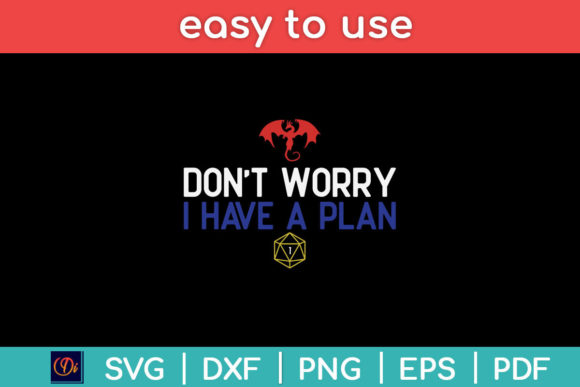
The editorial mood here leans heavily into nostalgic, dungeon-crawling charm. It feels like a crossover between a vintage game manual illustration and a modern vector style that works well on screens. The dragon motif, the fumble dice concept, and the retro silhouette approach all combine to create a graphic that is both whimsical and rugged. It does not feel overly polished or corporate. Instead, it reads as authentic, community-driven, and slightly irreverent. For a blogger who wants to signal that their content is fun, knowledgeable, and tied to gamer culture, this asset is a natural fit. It also supports a playful yet professional tone, which is surprisingly hard to balance in editorial design.
Why This Graphic Design Asset Belongs in Your Publishing Workflow
In my daily work, I manage content across multiple channels: a blog, a newsletter, several social media profiles, and a small library of digital guides. Every piece of visual content needs to serve a purpose. The Funny RPG Dungeons Board Game D20 Dice asset is a print cut file that is compatible with Cricut and Silhouette cutting machines, which means it can be used for physical merchandise like t-shirts, mugs, and wall decals. But for a digital publisher, its value goes far beyond that. The SVG format allows for clean scaling, transparent backgrounds, and easy integration into Canva templates, Adobe Express projects, or even directly into blog layouts. I have used it as a hero image accent, a Pinterest pin background element, and a category thumbnail for a series of articles on tabletop RPG dice mechanics.
One of the first things I tested was how it performed as a blog featured image. I placed it against a dark background with a bold headline overlay. The contrast was excellent. The retro dragon silhouette held its shape without getting lost in busy details, and the dice element drew the eye naturally. I also tried it as a small thumbnail in a sidebar blog widget, and it remained recognizable even at reduced sizes. That is a critical test for any graphic design asset. If it loses its impact when scaled down, it is not worth the file size. This one passed.
Real Publishing Applications for Bloggers and Content Creators
I have already incorporated this asset into several real projects, and I want to share how it can fit into a typical content marketing workflow. Here are the specific ways I have used it or plan to use it:
- Blog featured images: Combined with a bold sans serif headline, the asset creates a strong visual anchor for posts about dice rolling, game mechanics, or funny RPG stories.
- Pinterest pins: The vertical layout works well when the asset is placed at the top or bottom of a pin, with a clear title and a contrasting background.
- Article headers and section dividers: The retro style adds personality to long-form editorial content, breaking up text blocks without looking like a generic stock graphic.
- Newsletter banners: For email campaigns targeting tabletop enthusiasts, this asset signals that the content is relevant and insider-focused.
- Lead magnets and digital guides: I am currently designing a free downloadable cheat sheet for new D&D players, and this dice graphic is the perfect cover element. It feels like a premium printable design, not a throwaway image.
- Social media graphics: Instagram posts, Facebook ads, and Twitter headers all benefit from the recognizable iconography of a D20 dice and a dragon. It builds instant category recognition.
- Affiliate marketing visuals: If you promote RPG products, dice sets, or gaming accessories, this asset adds credibility to your affiliate content by visually aligning with the niche.
- Printable design products: Because it is a cut file, it can also be used to create physical merchandise for a small business branding line, such as stickers, magnets, or iron-on patches.
How This Asset Supports Content Performance and Reader Trust
Visual communication is not just about looking good. It directly affects how readers perceive your content. A polished graphic design asset like this one helps establish a stronger first impression, which is crucial for reducing bounce rates and increasing time on page. When a visitor lands on a blog post and sees a well-composed, thematically consistent image, they are more likely to trust the content and stay to read. That trust extends to the entire brand. I have noticed that using distinctive, niche-specific graphics like this dice asset improves my click-through rates on Pinterest pins and social media posts, because the visuals stand out in crowded feeds.
Clear visual hierarchy is another benefit. The strong silhouette of the dragon and the dice creates a natural focal point. When I place it beside a headline, the eye moves from the graphic to the text without confusion. This is especially important for editorial layouts where you want to guide the reader through a sequence of information. The asset also supports consistent branding across multiple content pieces. If you are building a series of articles, guides, or social media posts around a tabletop RPG theme, using this same graphic style throughout creates a cohesive visual identity that readers will recognize and remember.
Where This Design Asset Works Best
Based on my testing, the Funny RPG Dungeons Board Game D20 Dice asset thrives in the following contexts:
- Hero images for blog posts about gaming, dice rolling, character creation, or funny RPG moments.
- Article thumbnails in category archives or related post sections, especially when the thumbnail size is medium to large.
- Pinterest pins with a clear text overlay and a contrasting background color like dark purple, deep green, or black.
- Digital product covers for lead magnets, checklists, or worksheets related to tabletop games.
- Newsletter headers for gaming or fantasy fiction email lists.
- Social media previews on platforms like Instagram, Facebook, and Twitter, where the visual needs to grab attention quickly.
- Website headers for category pages dedicated to RPG content, as the asset adds a custom, non-generic feel.
Where to Use It Carefully
No design asset is universal, and this one has specific strengths that work best in certain contexts. I recommend being cautious with:
- Small mobile thumbnails: At very small sizes, some of the detail in the dragon silhouette can become less distinct. Test it on a mobile screen before committing to a layout.
- Text-heavy blog images: If you place it inside a complex background or overlay it with dense text, the visual impact may be diluted. Keep the layout clean.
- Low-contrast backgrounds: The asset works best on dark or highly contrasting backgrounds. On a light, busy pattern, it may lose its punch.
- Serious professional niches: If your content is strictly corporate, academic, or minimalist, this asset may feel too playful. It is ideal for lifestyle, humor, and enthusiast content.
- Busy layouts: In a layout with multiple competing graphics, this asset may add to the clutter rather than simplify it. Use it as a focal point, not a background filler.
Practical Publisher Notes for Using This Design Asset
Before you start using the Funny RPG Dungeons Board Game D20 Dice in your projects, here are some practical notes from my own testing. First, always test it on both desktop and mobile screens. I previewed it inside a real blog layout using a responsive design tool, and it held up well, but the contrast was slightly lower on a smaller screen. I recommend adjusting the background color or adding a subtle drop shadow to improve visibility on mobile.
Second, check how it looks as a thumbnail. I compressed it to 150 by 150 pixels and placed it in a sidebar widget. The dice was still identifiable, but the dragon lost some of its finer curves. If you plan to use it in very small spaces, consider simplifying the image or using a solid color version. Third, preview it with headline text. I tested it beside a serif font, a sans serif font, a script font, a handwritten font, and a display font style. The best results came from bold sans serif and display fonts, which complemented the retro feel without competing with the graphic. Script and handwritten fonts felt too busy. Serif fonts worked well for a more editorial look, but the contrast was less dramatic.
File size and web performance are also important. The SVG format is lightweight, but if you export it as a PNG or JPEG, make sure to compress it properly. I used a tool to reduce the file size without losing quality, and it loaded quickly on my test site. Finally, confirm the commercial license before using it on monetized websites, affiliate pages, or paid content products. This asset is marketed as a print cut file, but that does not automatically grant commercial use for digital publishing. Check the terms of the creative marketplace where you purchased it, and ensure that your use case is covered. For small business branding and digital products, a commercial license is usually required, especially if you are selling the final design or using it in paid lead magnets.
Final Thoughts on This Asset for Content Marketing and Editorial Design
After working with the Funny RPG Dungeons Board Game D20 Dice across several real publishing projects, I can confidently say it is a valuable addition to any content creator's library of design assets. It brings a distinct retro-fantasy mood that is hard to find in generic stock graphics. It supports visual hierarchy, brand identity, and reader trust when used in the right contexts. It is versatile enough for blog graphics, Pinterest pins, digital guides, and social media visuals, while also being functional as a printable design for physical merchandise. If you are a blogger, affiliate marketer, online educator, or creative entrepreneur working in the tabletop gaming niche, this asset can help your content look more polished, clickable, and professional. Just remember to test it on different screens, pair it with appropriate fonts, and confirm your licensing. Done right, this graphic will become a recurring visual anchor in your content marketing workflow.