Baseball Game Day Tumbler Wrap Review
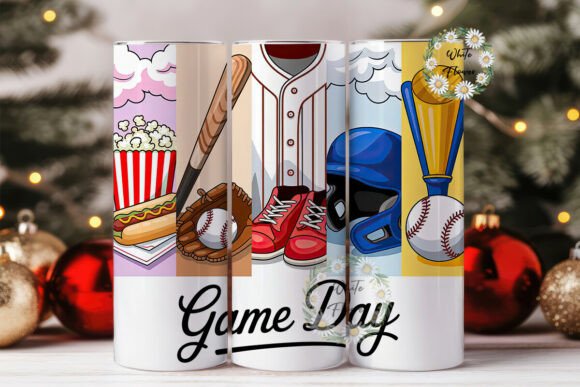
When I first opened the Baseball Game Day 20oz Tumbler Wrap, I knew exactly what mood it was aiming for. This is a design built around the energy of a ballpark afternoon—the kind of look that feels at home on a tailgate table or a custom tumbler passed around at a backyard watch party. The layout is straightforward, with a clear focal point and a sports theme that reads instantly. As someone who spends most days working with machine embroidery design files and thinking about how a graphic will translate into thread, I immediately started visualizing how this could work for embroidery projects rather than just a printed wrap. The proportions at 9.3 by 8.2 inches give you a solid canvas, and the fact that you get both a straight and a tapered file tells me the designer understood real-world application from the start. That tapered version matters more than most people realize when you are adapting a graphic for a curved surface or a dimensional product.
First Impressions and the Sports Theme Appeal
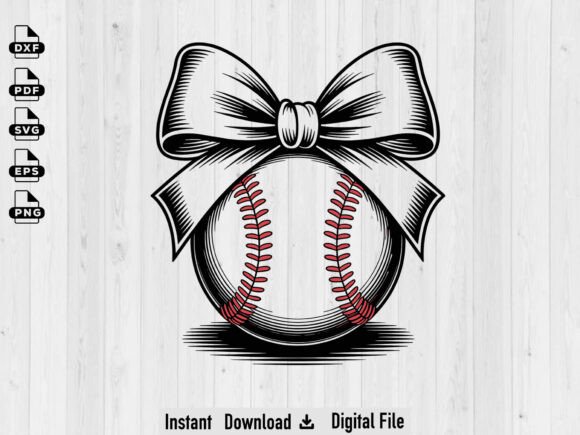
The Baseball Game Day 20oz Tumbler Wrap carries a classic Americana feel without leaning too hard into any one team aesthetic. That is a smart move for anyone running a small shop or an Etsy store. Customers want something that feels personal and sporty without being locked into a specific league or color scheme. The design uses bold shapes and clear lines, which is exactly what I look for when I consider turning a graphic into an embroidered patch or a custom apparel piece. If I were to adapt this into a sweatshirt embroidery or a tote bag design, the strong outlines and uncluttered layout would stitch out cleanly, even at moderate hoop sizes. The resolution is listed at 300 DPI, which gives me confidence that the edges are crisp enough to scale down for smaller projects like a cap or a baby onesie without losing the integrity of the lettering or the baseball motif.
Real Project Use Case: From Tumbler to Tote Bag
Let me walk you through a real scenario. A client asked me to prepare a set of personalized gifts for a little league team. The parents wanted something that felt professional but handmade, something that could go from the dugout to the living room. I started with the Baseball Game Day 20oz Tumbler Wrap as my reference point. I sized the design in my image editing software, tracing the key elements and converting them into a machine embroidery file that would work on a set of canvas tote bags. The straight version of the wrap gave me a clean layout that transferred easily into a fill stitch for the main shapes and a satin stitch for the outlines. The tapered version helped me visualize how the same elements would wrap around a curved surface if I decided to do a series of embroidered cups or insulated sleeves later. That dual-file approach saved me a lot of guesswork, especially when I was testing the layout on different fabric textures.
How the Design Performs in Embroidery
When I moved the Baseball Game Day 20oz Tumbler Wrap into an actual embroidery project, I paid close attention to stitch density and detail retention. The graphic has a natural balance of open space and filled areas, which means you can assign different stitch types without worrying about the fabric buckling. For a design of this size, I recommend using a medium-weight stabilizer for most woven fabrics and a tear-away for more stable materials like denim or canvas. The straight file is especially useful for flat projects like pillow covers, tea towels, or aprons, where you want the design to sit evenly without distortion. The tapered file, on the other hand, is your go-to for anything cylindrical or slightly curved, including the tumbler itself, but also for cap fronts or the side panel of a tote.
I tested the design on a mid-weight sweatshirt first. The thread colors I chose were a deep navy and a bright white, which gave the baseball theme a crisp, classic look. The satin stitch held up well around the lettering, and the fill stitch areas stayed smooth without puckering. I did notice that the design has a few areas where the detail is finer than it first appears, particularly around any small text or decorative elements. That is worth checking before you commit to a final product. Run a test stitch on a scrap piece of the same fabric you plan to use. Adjust your thread tension if needed, and confirm that your hoop size accommodates the full 9.3 by 8.2 inch layout without crowding the edges.
Where the Design Needs Extra Care
No design is perfect for every surface, and the Baseball Game Day 20oz Tumbler Wrap has a few points that require attention. The design is not seamless, which is expected for a wrap of this shape, but it does mean you need to plan your placement carefully if you are adapting it for a product where the edges will be visible. For a tumbler, the straight and tapered files are designed to meet at the back, so that is manageable. But if you are translating this into an embroidered patch or a direct-to-garment layout, you will want to center the design and leave enough margin around the edges so nothing gets cut off in the hoop. I also recommend testing the design on both light and dark fabric backgrounds. The contrast of the baseball theme works beautifully on a white or light gray garment, but it can get lost on a dark fabric if you do not adjust your thread colors or add a subtle outline. If you are working with a dark background, consider using a running stitch border or a lightweight applique technique to keep the shapes visible.
For small hoop sizes, this design may be too large to fit in one pass. If you are working with a 4x4 hoop, you will need to split the design into sections or size it down, which means losing some of the detail. That is not a flaw in the design itself, but it is a practical constraint to keep in mind. For baby embroidery, small caps, or kitchen towels, I would recommend using only the core elements of the graphic and scaling them to fit your available space. The same caution applies to stretchy or thin fabrics. The stitch density required to fill the larger areas can cause puckering on lightweight materials, so use a cut-away stabilizer and reduce the density slightly if your embroidery software allows it.
Visual Impact and Customer Perception
One of the things I appreciate about the Baseball Game Day 20oz Tumbler Wrap is how it reads from a distance. The shapes are bold, the theme is instantly recognizable, and the overall composition feels balanced. That matters when you are selling handmade products at a craft fair or listing them on Etsy. Customers make snap judgments based on the visual appeal of the design, and this one communicates quality without being fussy. It feels like something you could gift to a coach, a teammate, or a sports fan without worrying about whether it looks homemade in a negative way. The professional finish of the design, when stitched out carefully, adds to the perceived value of the finished product. Whether you are making a personalized gift for a holiday, a boutique item for a small shop, or a batch of custom merchandise for a local team, the clean layout helps your product stand out.
From a branding perspective, using a design that feels intentional and well-proportioned builds trust with your customers. They see that you took the time to select a graphic that works with the product, not just something that was slapped on. That level of care translates into repeat buyers and word-of-mouth referrals. For Etsy sellers and creative entrepreneurs, that is the kind of reputation that sustains a business over time.
Practical Notes Before You Start Stitching
Before you load the Baseball Game Day 20oz Tumbler Wrap into your embroidery machine, there are a few things I always check on any new design. First, confirm that the file you are working with matches the 300 DPI resolution and the 9.3 by 8.2 inch dimensions. If you are resizing, do it in your image editing software and keep the aspect ratio locked. Second, review the stitch density in your digitizing software if you are converting the graphic into a machine embroidery file. The original is a graphic, not an embroidery file, so you will need to digitize it yourself or have it digitized. Make sure the satin stitch areas are not too dense, or the fabric may bunch up. Third, test the design in black and white first to see if the contrast holds up. A monochrome test can reveal areas where the shapes blur together or where the detail gets lost. Fourth, check the thread color palette against the fabric you plan to use. A bright white thread on a cream fabric will disappear, and a dark navy on a black fabric will be invisible. Adjust accordingly.
If you are planning to sell finished items using this design, confirm the licensing terms before you list anything. The product description does not specify commercial use rights, so you need to verify that before you produce a batch of tote bags or sweatshirts for sale. The same applies if you plan to sell the digital embroidery file itself. Always respect the original creator's terms. For personal use, a single gift, or a small run of products for a team, the design is a solid choice. Just make sure you have the legal clarity to move forward with confidence.
Final Thoughts on the Game Day Tumbler Wrap
The Baseball Game Day 20oz Tumbler Wrap is a strong graphic that translates well into embroidery projects when you take the time to digitize it carefully and match it to the right fabric and stabilizer. It works for custom apparel, tote bags, sweatshirts, caps, aprons, pillow covers, and even holiday gifts for the sports fan in your life. The tapered file is a nice touch that shows the designer thought about real-world application, and the straight file gives you flexibility for flat products. As with any design, the success of the finished project depends on your preparation, your choice of materials, and your willingness to test before you commit. If you are a small business owner, an Etsy seller, or a hobbyist looking for a reliable sports-themed design to add to your lineup, this is worth your time. Just remember to check your hoop size, test your thread contrast, and confirm your licensing before you start stitching.