Chess Game Vintage: Graphics for Crafts & Design
Opening a design asset for the first time is always a moment of anticipation. As someone who has spent years building visual identities for small businesses, boutique brands, and digital product lines, I have learned to trust my initial reaction. When I opened Chess Game Vintage, the first thing I noticed was the atmosphere it created. This is not a sterile, modern vector set. It feels like something you would find in a dusty cabinet of a European café, or tucked into the branding of a craft spirits company that values tradition. The mood is warm, slightly nostalgic, and deeply tactile. The linework carries a handcrafted quality that immediately signals authenticity rather than automation. For a designer evaluating whether this asset belongs in a real client project, that first impression matters. It tells you the visual story this asset is ready to tell.
The visual elements in Chess Game Vintage lean into decorative detail, classic symmetry, and an old-world charm that feels both refined and approachable. The style is not minimal. It is embellished, rich, and deliberate. That makes it a natural fit for projects that need to communicate heritage, craftsmanship, or a sense of occasion. If you are working on a brand identity for a handmade business, a boutique product line, or a seasonal campaign that wants to feel timeless, this asset gives you a strong foundation. The aesthetic does not try to be trendy. It aims to be enduring, and that is a powerful quality in commercial design work where visual trust and recognition matter more than fleeting fashion.
First Impressions and the Mood This Asset Brings to Client Work
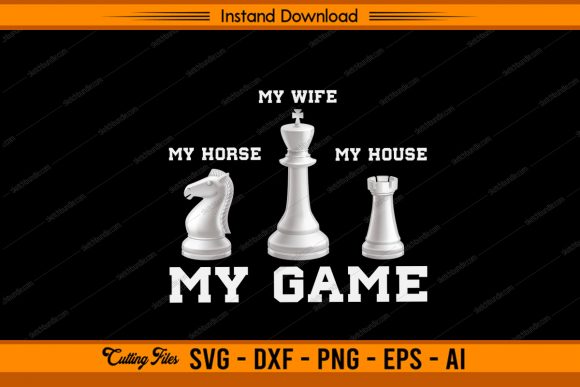
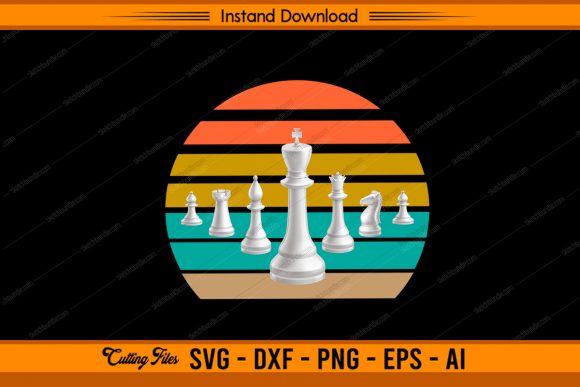
When I first reviewed Chess Game Vintage for a hypothetical client project, I imagined a small business that produces artisanal board games or a brand that sells handcrafted leather goods with a vintage travel theme. The asset immediately suggested a direction: warm earth tones, cream paper, gold foil accents, and typography that leans toward serif or hand-drawn styles. The chess motifs are not just illustrations of game pieces. They feel like symbols of strategy, patience, and refined taste. That emotional layer is what separates a generic graphic design asset from one that can actually support a brand story. For a designer, this means you can use the asset not just as decoration, but as a narrative tool that reinforces the client's positioning.
The mood is celebratory without being loud, and intellectual without being cold. That is a hard balance to achieve. I have seen many vintage-style assets that lean too far into kitsch or overly romanticized nostalgia. Chess Game Vintage avoids that trap. The detailing is tasteful, and the composition feels intentional. It reminds me of the visual language found in editorial design for luxury lifestyle magazines or packaging design for premium chocolate and wine. If your client wants to project sophistication with a handcrafted soul, this asset is a viable starting point.
Where Chess Game Vintage Performs Best in Real Design Situations
In my experience, the best way to evaluate a design asset is to mentally place it into several real-world formats. I started with logo design and brand identity. The chess motifs can work as a central emblem or a supporting mark, especially if the brand name is short and the visual identity is built around a strong symbol. For a boutique hotel or a members-only club with a classic theme, this could be a signature element. In packaging design, the asset shines on product labels, box covers, and hang tags. Imagine a small-batch coffee roaster using the chessboard pattern as a background texture, or a candle company using the chess piece illustrations as a repeat pattern on a gift box. The tactile quality of the design translates well to print.
For social media graphics and marketing visuals, Chess Game Vintage works as a hero graphic or a decorative frame. On Instagram or Pinterest, a post featuring this asset with a warm filter and a serif overlay would stand out in a feed dominated by flat, modern aesthetics. It creates a visual break that invites engagement. In editorial design, such as a magazine spread or a blog header, the asset can anchor a themed article about strategy, tradition, or craftsmanship. I also see strong potential in printable design and Cricut projects. The SVG and PNG files are ready for cutting machines, which means crafters can produce physical merchandise like stickers, t-shirt designs, mug wraps, and tote bags that carry the same vintage charm. For print-on-demand sellers, this is a valuable asset because it can differentiate a product from the thousands of generic designs on the marketplace.
Best Uses for Large Layouts, Hero Graphics, and Themed Collections
Where Chess Game Vintage truly excels is in large layout areas where the detail can be appreciated. On a poster, a product mockup, or a hero graphic for a website, the asset creates a focal point that draws the eye. The intricate linework and balanced composition reward close viewing, which is exactly what you want for a hero image or a product display. For a themed collection such as a holiday campaign or a limited edition launch, the asset can unify the visual identity across multiple touchpoints. Using the chessboard pattern as a background texture and the chess pieces as accent icons creates a cohesive look that feels curated rather than random.
In packaging design, the asset works beautifully as a decorative accent on the inside of a box lid, as a heat transfer on a fabric bag, or as a foil-stamped logo on a product label. The vintage mood adds perceived value, which is essential for premium pricing. For brand identity projects, the asset can serve as a secondary graphic or a pattern that appears on business cards, letterhead, and packaging tape. It gives the brand a visual signature that extends beyond the logo itself. In digital ads and Canva templates, the asset can be scaled and layered to create banners, social media posts, and email headers that feel editorial rather than promotional.
Where to Use This Asset with Caution
No design asset is universal, and Chess Game Vintage has its limits. I would advise caution when using it in small sizes. The intricate details can become muddy or lose legibility when scaled down to a thumbnail, a favicon, or a small icon on a mobile screen. If you need a recognizable symbol at a tiny scale, consider simplifying the motif or using a bolder version. Similarly, in crowded layouts with multiple visual elements, this asset can compete for attention. It works best when given breathing room. Pair it with ample white space and a restrained color palette to let the design breathe.
For minimalist branding or professional corporate materials that require a very clean visual hierarchy, this asset may feel too ornate. A law firm, a financial services company, or a tech startup aiming for a sleek, modern image would likely find the vintage style misaligned with their message. The asset also requires careful handling on complex backgrounds. Low-contrast situations, such as placing a dark illustration on a dark background, can kill the detail. Always test it on a light background and a dark background to ensure the design remains readable. In projects where visual hierarchy is critical, use the asset as a secondary element rather than the primary focus to avoid overwhelming the layout.
Impact on Readability, Brand Consistency, and Emotional Appeal
When I evaluate a graphic design asset, I consider how it affects the core principles of effective design. Readability is a primary concern. With Chess Game Vintage, the strong contrast and clear outlines of the chess pieces support legibility, especially when paired with a simple sans serif or a classic serif font. The asset does not fight with text. It frames it. That is a valuable quality for sticker design, t-shirt design, and product labels where the message needs to be clear at a glance. For brand consistency, the asset provides a cohesive visual language that can be applied across multiple media. If you use the chess motifs in your logo, your packaging, and your social media templates, the brand becomes instantly recognizable. That consistency builds visual trust and recognition over time.
The emotional appeal of this asset is one of its strongest selling points. It evokes nostalgia, craftsmanship, and a sense of occasion. For a handmade business or a small business branding project, that emotional resonance can be the difference between a customer clicking away and making a purchase. The asset helps the brand feel established and trustworthy, even if the business is new. In terms of audience engagement, the vintage style tends to attract customers who value quality, tradition, and authenticity. It signals that the product or service is not mass-produced but carefully considered. For print-on-demand sellers and Etsy product creators, this emotional hook is extremely effective.
Practical Designer Notes Before Using Chess Game Vintage Commercially
Before I commit to a design asset for a client project, I run a series of practical tests. With Chess Game Vintage, I recommend starting with a black and white test. Print it out or view it in grayscale to see if the contrast holds up. If the design loses its impact without color, it needs careful color management. Next, test it on both light and dark backgrounds. The asset should remain legible and visually balanced in both scenarios. Preview it at small and large sizes. If the detail becomes noise at a small scale, plan to use it only in larger applications. Place it on real product mockups such as a mug, a t-shirt, or a tote bag to see how it wraps around curved surfaces. Check the print quality by running a test print on your intended material. The SVG file should be vector and editable, so inspect it in your design software to ensure the paths are clean and the layers are organized. If a PNG design is included, check the transparency to ensure there are no jagged edges or leftover background pixels.
File formats matter. Confirm that the SVG design opens correctly in your software of choice and that the vector elements can be recolored and resized without breaking. If you are using a cutting machine, test the file in your Cricut or Silhouette software to ensure the cut lines are accurate. Commercial licensing is non-negotiable. Before using Chess Game Vintage for a client, a brand identity project, or any commercial design, verify that the license covers commercial use, including print-on-demand and digital product sales. Many assets on the creative marketplace have restrictions, and using them without proper licensing can create legal and ethical problems for your client. When in doubt, contact the seller or check the license file included with the download.
I also recommend testing the asset with different typography styles. Pair it with a serif font for a classic, editorial feel. Try a sans serif font for a modern contrast that keeps the design from feeling too dated. A script font or handwritten font can add a personal, artisanal touch, while a display font can create a bold, statement-making headline. The versatility of Chess Game Vintage means it can adapt to multiple typographic treatments, but the right pairing will elevate the final design. If you are building a Canva template or a social media graphics set, test the asset in different layout configurations to see how it behaves as a background, a border, or a focal point.
Why This Asset Belongs in Your Creative Toolbox
After spending time with Chess Game Vintage, I can confidently say it is a useful addition to any designer's library of creative design resources. It fills a specific niche: projects that need a vintage, handcrafted, and sophisticated visual language. It is not a one-size-fits-all asset, but for the right client, it can be the element that transforms a good concept into a memorable brand experience. Whether you are designing a logo, a product label, a packaging design, or a Cricut project, this asset provides a strong foundation that saves time and adds visual depth. The fact that it comes as a digital product with immediate download and cutting machine compatibility makes it practical for fast-paced production workflows. For small business branding, handmade business projects, or print-on-demand catalogs, Chess Game Vintage is a solid choice that delivers on both aesthetic and functional levels.
Ultimately, the value of a design asset is measured by how well it serves the project and the client. Chess Game Vintage passes that test. It brings a clear mood, a consistent style, and practical versatility to the table. It is not a background element that disappears. It is a design asset that makes a statement. For designers who work with branding, packaging, editorial, and printable products, this is a tool worth having ready for the next time a client needs a touch of vintage elegance.