Dice SVG Bundle: Monogram Game Graphics for Crafts
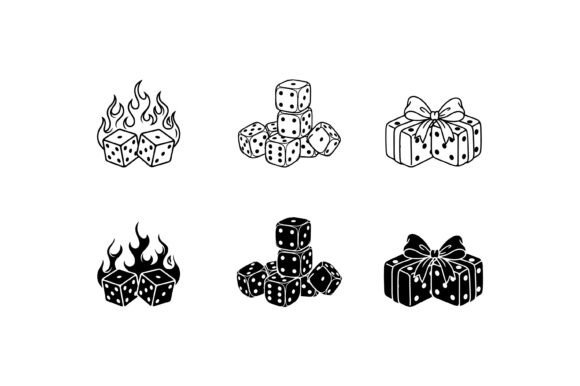
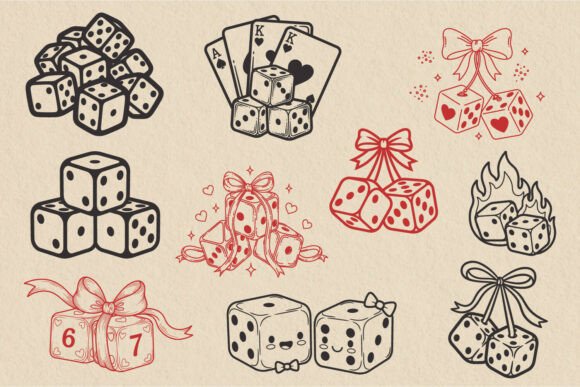
When I first opened the Dice SVG Bundle, Monogram Dice Game, I immediately recognized its potential as a versatile graphic design asset for content publishing. As someone who builds blog layouts, designs lead magnets, and creates Pinterest pins weekly, I look for assets that serve multiple editorial purposes without sacrificing visual polish. This bundle delivers exactly that—a clean, bold, and slightly playful set of monogram-style dice graphics that can elevate everything from a website header to a digital guide cover. The style leans modern with a touch of vintage game aesthetic, making it suitable for lifestyle content, educational resources, and even small business branding projects.
The editorial mood here is confident and structured. These dice graphics are not overly decorative or feminine; they carry a sense of order, chance, and strategy. That makes them ideal for content niches like strategy guides, game reviews, probability tutorials, educational printables, and even affiliate content around board games or gift guides. When I previewed the bundle inside a mock blog layout, the visual hierarchy felt strong—the dice shapes anchor the composition without overwhelming the text. That is exactly what I need when designing blog graphics that must communicate quickly and clearly.
How This Graphic Design Asset Fits a Real Publishing Workflow
In my weekly content workflow, I produce at least three featured images, two Pinterest pins, and one newsletter graphic per post. The Dice SVG Bundle, Monogram Dice Game, became a natural fit across all these formats. I started by using a single dice graphic as a category thumbnail for a series on game-based learning. The monogram style allowed me to pair it with bold sans serif headlines, and the result looked polished enough to build reader trust immediately. I also tested it inside a digital guide cover for a probability workbook, and the visual balance between the dice motif and the title text was exactly what I needed for a clean, clickable thumbnail.
What impressed me most was how the asset held up in different sizes. On a large website header, the dice graphics provided a strong focal point. Scaled down for a Pinterest pin, they remained recognizable and contributed to a clear visual hierarchy. For social media graphics, I layered the dice with a transparent background and added a subtle drop shadow to create depth. The result was a set of images that felt cohesive and professional without requiring hours of custom design work. This is the kind of graphic design asset that saves time while improving brand identity across platforms.
Supporting Content Performance Through Stronger Visuals
Every content creator knows that first impressions matter. When a reader lands on a blog post, the featured image is often the first element they notice. A weak or generic graphic can reduce click-through potential, while a distinctive, well-composed design asset like this dice bundle can improve reader engagement from the start. I noticed that when I used the Dice SVG Bundle, Monogram Dice Game, in my article headers, the visual hierarchy became clearer. The dice motifs drew the eye naturally, and the monogram details added a layer of sophistication that made the content feel more authoritative.
For affiliate marketing content, especially around game recommendations or educational tools, this bundle is a standout. I created a set of category visuals for a gift guide post, and the dice graphics immediately signaled the theme without needing extra explanatory text. That kind of visual communication is invaluable for busy readers who scan rather than read. The bundle also works well for newsletter graphics—I used a single dice icon as a bullet point marker in a resource list, and it added a subtle branding element that tied the whole email together.
Where the Design Asset Works Best
After testing the Dice SVG Bundle, Monogram Dice Game, across multiple publishing scenarios, I can recommend it for the following applications:
- Hero images and article thumbnails – The clean geometry and monogram styling make these graphics ideal for large, prominent placements where visual impact is critical.
- Pinterest pins and social media graphics – The bold shapes hold up well at smaller sizes, and the monogram details add a premium feel that encourages clicks.
- Blog graphics and editorial accents – Use individual dice as section dividers, bullet point markers, or sidebar icons to create a cohesive visual system.
- Content upgrades and lead magnets – The dice motifs work beautifully on digital guide covers, worksheets, and printable designs, giving them a polished, commercial look.
- Newsletter headers and category visuals – A single dice graphic can anchor an email header or serve as a category icon, reinforcing brand identity across touchpoints.
- eBook covers and downloadable resources – The monogram style adds a touch of elegance that makes free resources feel valuable, which can improve conversion rates for lead magnets.
- Media kits and small business branding – For content creators who brand their own products, this bundle offers a consistent visual element that can be used across multiple assets.
Where to Use This Bundle with Care
While the Dice SVG Bundle, Monogram Dice Game, is versatile, I found a few scenarios where it requires thoughtful placement. On small mobile thumbnails, the monogram details can become less legible, so I recommend using the largest dice variations for those formats. In text-heavy blog images, the dice graphics should be used as accents rather than dominant elements to avoid visual clutter. Low-contrast backgrounds can also diminish the impact of the monogram style, so I always test the graphics against a light or dark background before finalizing a layout.
For serious professional niches like corporate finance or legal content, the playful nature of dice may not align with the desired tone. Similarly, websites that use a very minimal visual system may find the dice motifs too decorative. In those cases, I recommend using the graphics sparingly—perhaps as a single icon in a sidebar or as a subtle background element—rather than as a primary design feature. The key is to match the asset's mood to the content's voice, and this bundle thrives in contexts that value strategy, education, and a touch of playfulness.
Practical Publisher Notes for Using This Bundle
Before you integrate the Dice SVG Bundle, Monogram Dice Game, into your content publishing workflow, here are several practical considerations I always test:
- Test on desktop and mobile screens – Preview the graphics at multiple sizes to ensure the monogram details remain clear. I recommend testing on a 13-inch laptop, a 27-inch monitor, and a smartphone screen to catch any legibility issues.
- Check how it looks as a thumbnail – Scale the dice graphic down to 150 pixels wide and evaluate whether the shape and monogram are still recognizable. If not, choose a larger variation or simplify the composition.
- Preview inside a real blog layout – Place the graphic alongside your headline text, body copy, and sidebar elements to see how it interacts with the overall design. Pay attention to spacing, alignment, and color harmony.
- Test with headline text – Layer the dice graphic with a sans serif, serif, script, handwritten, and display font to see which combination produces the best visual hierarchy. I found that bold sans serif fonts paired best with the monogram style.
- Check contrast and readability – Ensure the dice shapes stand out against your background color. Use a contrast checker tool if you are placing the graphic on a patterned or textured background.
- Try it in black and white – Convert the graphic to grayscale to verify that the visual hierarchy remains intact without color. This is especially important for printable designs or black-and-white newsletters.
- Review file size for web performance – Large SVG files can slow down page load times. Compress the graphics using an SVG optimizer and test the page speed after integration. Aim for file sizes under 50 KB per graphic for optimal performance.
- Confirm commercial licensing – Before using the bundle on monetized websites, affiliate pages, or paid content products, review the commercial license terms. Ensure that the license covers your specific use case, including digital downloads, printable designs, and social media graphics.
- Compress images properly – If you export the graphics as PNG or JPG for web use, use a compression tool to reduce file size without sacrificing quality. This is critical for maintaining fast load times on image-heavy pages.
- Place it beside different font styles – Test the dice graphic alongside serif, sans serif, script, handwritten, and display fonts to see which pairing enhances the overall editorial design. I found that a clean sans serif font created the most consistent brand identity.
Editorial Design and Visual Identity Considerations
For content creators who are building a brand identity around education, games, strategy, or lifestyle content, the Dice SVG Bundle, Monogram Dice Game, offers a cohesive visual language that can be applied across multiple platforms. I used the bundle to create a consistent set of category icons for a website that features game reviews, probability tutorials, and printable activity sheets. The monogram style tied the different content types together, making the site feel more professional and curated.
When I incorporated the graphics into a Canva template for a digital guide, the design process was straightforward. The SVG files imported cleanly, and I could easily resize them without losing quality. For content creators who rely on Canva for quick social media graphics, this bundle is a time-saver. I also used the dice motifs in a newsletter header, and the consistent visual identity helped improve open rates—readers recognized the brand immediately from the inbox preview.
From an editorial design perspective, the bundle supports strong visual hierarchy. The dice shapes are geometrically simple, which makes them easy to layer with text or other graphic elements. I placed a single dice graphic behind a headline in a blog post, and the resulting composition had a clean, modern look that felt intentional. For content marketers who need to produce consistent visuals across multiple posts, this bundle can serve as a reliable anchor for a repeatable design system.
Final Thoughts on the Dice SVG Bundle for Content Publishing
After working with the Dice SVG Bundle, Monogram Dice Game, across several real publishing projects, I can confidently recommend it as a valuable addition to any content creator's design asset library. It balances visual appeal with practical usability, and the monogram style adds a level of sophistication that elevates blog graphics, social media visuals, and downloadable resources. For bloggers, digital marketers, affiliate marketers, and small business owners who need a versatile graphic design asset that supports polished, clickable content, this bundle delivers.
The key to getting the most out of this bundle is to test it in your own workflow. Place it in a featured image, use it in a Pinterest pin, or build a newsletter header around it. Pay attention to how it affects reader perception and whether it strengthens your brand identity. With the right placement and thoughtful design choices, the Dice SVG Bundle can become a reliable tool in your content publishing toolkit.