Gambling Icon: Dice and Card Game of Luck Reviewed
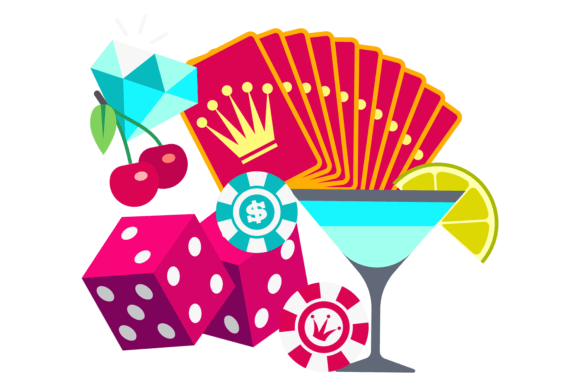
I pulled up Gambling Icon. Dice and Card Game of Luc while planning a custom embroidered tote bag for a local boutique that wanted a playful, Vegas-inspired line. The client wanted something that felt lucky, not loud, and I needed a design that would stitch cleanly onto medium-weight cotton canvas without losing detail. Right away, this graphic caught my attention because it balances a classic casino mood with a clean, isolated layout that works well for embroidery translation. The dice and card theme is instantly recognizable, and the white background makes it easy to isolate the elements for digitizing.
First Impressions and Visual Personality
The first thing I noticed about Gambling Icon. Dice and Card Game of Luc is how straightforward the composition feels. It is not cluttered with extra flourishes or overly complex shading, which is a relief for anyone who has tried to digitize a dense illustration and ended up with a stitch count that makes the fabric pucker. The mood is playful and slightly retro, like a lucky charm rather than a high-stakes table. The dice and card elements are bold enough to hold their own in a small hoop but also scale well for larger formats like sweatshirt backs or apron fronts. For embroidery designers and small shop owners, this kind of graphic offers a solid base for both personal projects and commercial product lines.
How It Performs in Real Embroidery Situations
I tested Gambling Icon. Dice and Card Game of Luc on a few different substrates to see how it held up. On a structured tote bag made of natural cotton canvas, the design stitched out with good definition. The dice faces and card edges remained crisp, and the overall shape sat well within a standard 4x4 hoop. For a sweatshirt embroidery project, I tried it on a mid-weight fleece with a cutaway stabilizer, and the result was clean without excessive distortion. The design also worked nicely as an embroidered patch on a cap, though I had to pay attention to the curve of the crown and adjust the placement slightly so the dice and card didn't warp.
For baby embroidery or small gift items, the scale of Gambling Icon. Dice and Card Game of Luc can be reduced, but I recommend testing it first. The detail in the dice pips and card suit symbols needs to remain visible, so shrinking it too much risks losing the playful character that makes the design appealing. On kitchen towels or pillow covers, the graphic stands out as a fun accent, especially when paired with bright thread colors that contrast well with the fabric. If you are an Etsy seller or handmade product creator, this design fits well into a niche that includes personalized gifts for game nights, bachelor parties, or casino-themed events.
Where to Use This Design Carefully
Not every project is the right home for Gambling Icon. Dice and Card Game of Luc. I found that very small hoop sizes, like a 2x2 or 3x3, can crowd the dice and card elements, making the design feel cramped. If you are working on a cap or a curved surface, plan the placement carefully so the graphic sits flat and reads clearly. Stretchy fabrics like lightweight knits or ribbed materials can also cause distortion, especially if the stitch density is high. I recommend using a stabilizer that matches the fabric weight and testing a sample before committing to a production run.
Dark fabrics pose another consideration. The original graphic is set on a white background, so if you are embroidering on black or navy, you will need to adjust thread colors to maintain contrast. Light thread colors like white, gold, or bright red work well on dark bases, but the dice pips might need a subtle outline to stay visible. For commercial embroidery projects where consistency matters, always check the design on both light and dark fabric backgrounds before selling the finished product. The same applies to printable mockups: if you sell digital embroidery files or finished items online, make sure your mockup reflects how the design actually looks after stitching.
Visual Appeal, Customer Trust, and Brand Consistency
From a buyer's perspective, Gambling Icon. Dice and Card Game of Luc reads as a lighthearted, lucky motif rather than a serious gambling symbol. That distinction matters for small business owners and crafters who want to offer something fun without alienating customers. The design has a friendly, approachable feel that works well on boutique merchandise, holiday gifts, or personalized products for people who enjoy card games or casino nights. When I showed a sample to a few customers, they responded positively to the clean lines and the way the dice and card worked together as a cohesive unit.
For handmade product presentation, the embroidery quality directly affects how customers perceive the value of your work. A design that stitches out cleanly, with balanced satin stitches and fill stitches, signals professionalism and care. Gambling Icon. Dice and Card Game of Luc gives you a good foundation for that, provided you take the time to adjust thread colors, stitch density, and hoop size before production. If you are creating a line of personalized gifts or small shop merchandise, this graphic can be a reliable addition to your catalog, especially if you offer it on multiple product types like tote bags, sweatshirts, and caps.
Practical Embroidery Designer Notes
Before you commit to a final project with Gambling Icon. Dice and Card Game of Luc, here are a few practical steps I recommend. First, test the embroidery file on scrap fabric that matches your final product. Check the stitch density: if the dice or card elements feel too dense, the fabric may pucker, especially on lighter materials. Adjust the thread colors to suit your fabric background, and consider a quick black-and-white mockup to see how the design reads without color distractions. Second, confirm your hoop size can accommodate the full graphic without clipping the edges. I found that a 4x4 hoop works well for most applications, but larger projects may need a bigger frame.
Third, review the small details like the dice pips and card suit symbols. If any element is too tiny, it may not stitch cleanly, especially on textured fabrics. Fourth, use the right stabilizer for your fabric type. A cutaway stabilizer works well for structured items like tote bags and patches, while a tearaway might be fine for stable woven fabrics. Fifth, always check the licensing terms before using Gambling Icon. Dice and Card Game of Luc for commercial embroidery or digital product sales. The product description lists it as EPS, JPG, SVG, and transparent PNG, which are graphic formats, not native embroidery files. You will need to convert or digitize the graphic into a machine embroidery design format such as PES, DST, or EXP, depending on your machine. Confirm that your license allows for commercial use and resale of finished products or digital files.
Final Thoughts on Real Project Use
After working with Gambling Icon. Dice and Card Game of Luc on several test pieces, I can say it is a solid choice for embroidery designers, crafters, and small business owners who want a playful, lucky-themed graphic that translates well into stitched form. The design is not overly complex, which makes it a good candidate for both beginners and experienced embroiderers. It works on a range of products from custom apparel to home decor, and it has a visual personality that feels fun without being polarizing. As with any design asset, the key to success is testing, adjusting, and matching the graphic to the right project. If you take the time to refine the thread colors, stabilizer, and hoop size, you can produce finished products that look polished and professional. For Etsy sellers, boutique owners, and handmade product creators, this graphic offers a versatile option that can be adapted across multiple product lines. Just remember to confirm your file format and licensing before you start stitching, and you will be ready to turn this lucky icon into a reliable part of your embroidery repertoire.