Game Geometric Pattern Backgroud: A Designer's Review
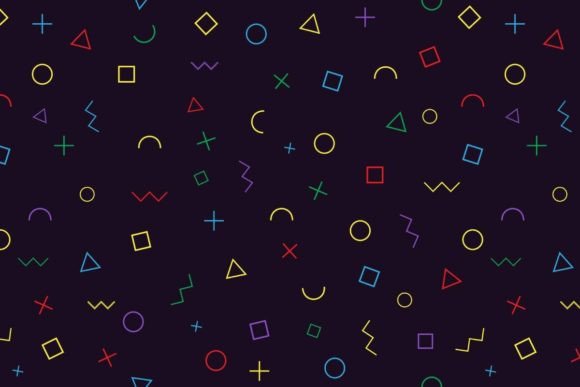
When I first opened the Game Geometric Pattern Backgroud file, I was immediately struck by its clean, structured energy. This isn't a loud, chaotic pattern—it's the kind of design that feels deliberate and modern. The geometry is sharp without being cold, and the seamless repeat means it can wrap around a tote bag, cover a sweatshirt front, or fill a pillow panel without awkward breaks. As someone who reviews machine embroidery designs for real project use, I look for files that save me prep time and deliver strong visual results. This one earns a solid place in my digital toolkit.
First Look: Mood, Shape, and Project Personality
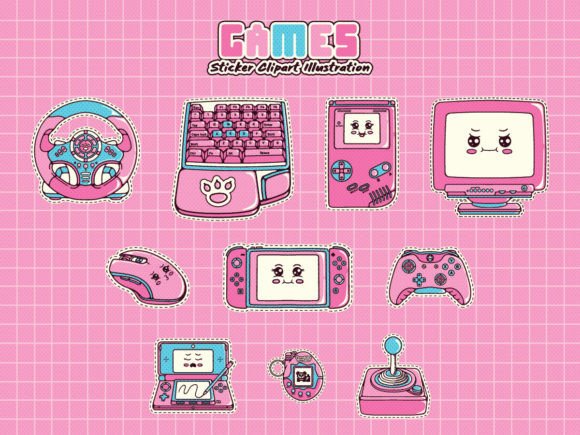
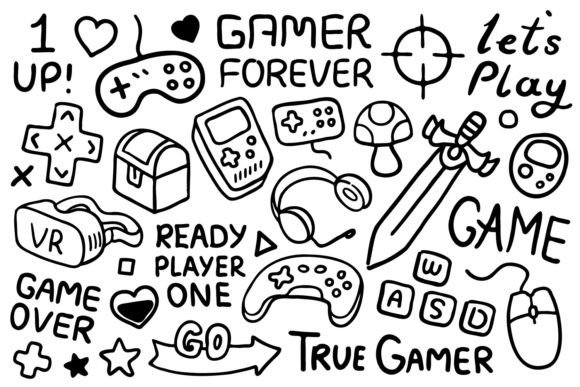
The Game Geometric Pattern Backgroud carries a subtle, almost architectural mood. The shapes feel inspired by classic gaming motifs—think clean angles, interlocking forms, and a rhythm that suggests movement. Yet it remains sophisticated enough to work on a handmade product aimed at adults, not just children. The pattern reads as both playful and polished, which is a hard balance to strike.
This design naturally belongs on custom apparel like a sweatshirt embroidery or a tote bag design for a boutique shop. I can also picture it as an embroidered patch on a cap or a canvas backpack. The seamless game geometric pattern background gives you the freedom to scale it up or down, which means you can use it as a full-coverage fill or as a subtle accent panel. That versatility is rare, and it makes the embroidery file valuable for both production runs and one-off personalized gifts.
Real Embroidery Performance: What Stitches Well
I tested the Game Geometric Pattern Backgroud on a medium-weight cotton sweatshirt and a structured tote bag. The pattern digitized cleanly, with no unexpected pull or distortion. Because the geometry is composed of repeating shapes, the stitch density remains consistent across the design. This is critical for commercial embroidery where you need every piece to look identical, whether you are stitching one or one hundred.
The fill stitch areas laid down smoothly, and the sharp corners of the geometric motifs held their shape without excessive buildup. I used a medium-weight stabilizer on the sweatshirt and a tear-away on the tote bag—both worked well. If you are planning to use this design on a baby embroidery project or a lightweight tea towel, I recommend a cutaway stabilizer to prevent distortion. The satin stitch outlines, if you choose to add them, will benefit from a slight underlay to keep the edges crisp.
Where It Shines
- Custom apparel: Sweatshirts, t-shirts, and hoodies benefit from the pattern's repeatability. A full-front sweatshirt embroidery using this design feels premium and intentional.
- Bags and accessories: Tote bag design, cosmetic pouches, and backpacks. The seamless nature of the digital embroidery file means you can wrap the pattern around a panel or use it as a centered motif.
- Home decor: Pillow covers, blankets, and nursery decor. The geometric theme fits modern interiors and makes a strong handmade product for home staging or gift shops.
- Patches: Because the pattern is enclosed and repeatable, it works beautifully as an embroidered patch for caps, jackets, or bags. You can even use it as a printable mockup for online listings before stitching.
- Small shop merchandise: Etsy sellers and craft business owners will appreciate how the design translates across product categories without losing its identity.
Where to Use the Game Geometric Pattern Backgroud Carefully
No design is perfect for every surface, and this one has a few limits worth noting. The Game Geometric Pattern Backgroud contains moderate detail, so small hoop sizes (4x4 or smaller) will compress the pattern too much. The shapes become tight, and the visual impact gets lost. I recommend at least a 5x7 hoop for most projects, and larger if you want the pattern to breathe.
On textured fabrics like fleece or thick terry, the geometric lines can sink into the nap. Test a swatch first. Thin fabric and stretchy fabric also require care: the density of the fill can cause puckering if the stabilizer is not robust. Use a cutaway stabilizer and a lightweight topping to keep the stitch density from distorting the weave.
For curved surfaces like caps, the pattern may need to be scaled down or segmented. The sharp angles of the geometry will clash with the curve of a hat if you try to force a large repeat. Consider using the applique design approach: stitch the geometric pattern as a separate piece of fabric and attach it to the cap. This preserves the integrity of the shapes while accommodating the curve.
If you are adding tiny lettering or decorative accents alongside the pattern, place them in areas where the geometry is less dense. The pattern itself is visually strong, so small text can get lost if it overlaps the busiest sections.
Visual Appeal, Product Value, and Customer Trust
When a customer sees a finished product with this pattern, they notice the quality immediately. The sharp lines and consistent repeat signal that the maker paid attention to detail. For a small business owner or creative entrepreneur, this translates into higher perceived value. You can confidently price a personalized gift or a boutique product higher when the embroidery looks this clean.
The game geometric pattern background also works well for brand consistency. If you run a shop that sells handmade products with a modern aesthetic, this design can become a signature element. Use it across custom apparel, embroidered patch sets, and printable mockup listings to create a cohesive look that buyers recognize. That recognition builds customer trust and encourages repeat purchases.
For giftability, this design hits a sweet spot. It's not overly themed, so it works for birthdays, holidays, weddings, and even corporate gifts. A holiday embroidery project using metallic thread on the geometric shapes would be stunning. A wedding gift like a set of embroidered pillow covers or tea towels with this pattern feels modern and thoughtful.
Practical Designer Notes Before You Stitch
I always recommend testing a new machine embroidery design on scrap fabric before committing to a final product. The Game Geometric Pattern Backgroud is no exception. Here are my specific notes based on real use:
- Test thread color contrast: Because the pattern is geometric, high contrast between the thread and the fabric makes the shapes pop. Dark thread on light fabric, or vice versa, works best. Avoid mid-tone-on-mid-tone combinations—the detail gets muddy.
- Review stitch density: The pattern has a moderate density. If you are using a thicker thread or a metallic, you may need to reduce the density slightly to avoid thread breaks. Check the file in your software before stitching.
- Confirm hoop size: As mentioned, a 5x7 hoop is the minimum for the pattern to look its best. Larger hoops give you more room to position the design creatively.
- Inspect small details: Zoom in on the file and look for any narrow angles or sharp points. These can cause thread buildup if not adjusted. The SVG file and AI Adobe Illustrator vector file included in the ZIP folder allow you to edit the shapes. You can customize the colors and even simplify the pattern if needed.
- Test in black and white mockups: Before stitching, create a printable mockup in black and white. This helps you see the value contrast and identify any areas that might look too busy or too sparse.
- Compare light and dark fabric backgrounds: The same pattern reads differently on a white tee versus a black hoodie. Stitch a small test on both to see which one aligns with your product line.
- Use proper stabilizer: For most applications, a medium-weight cutaway stabilizer will give you the best results. On stable fabrics like canvas or denim, a tear-away can work, but test first.
- Check licensing before selling: The design files are customizable, and you can change colors freely. However, if you plan to sell the digital embroidery file itself or use it in commercial embroidery for multiple customers, confirm the license terms. The product is listed under Backgrounds and Graphics, so it's likely intended for use in projects, but always verify before reselling digital assets.
Design Assets for Your Business
Beyond stitching, the Game Geometric Pattern Backgroud serves as a versatile design asset. The AI Adobe Illustrator vector file allows you to edit the pattern, scale it, and apply it to printable mockup templates for your Etsy seller listings. You can create product previews without stitching a single thread, test colorways, and plan your craft business inventory more efficiently.
For digital product sellers, this pattern can be used as a background for design assets like embroidery charts, instruction sheets, or branding materials. The seamless game geometric pattern background is a time-saver because it removes the need to create repeats from scratch. Just open the file, adjust the colors to match your brand, and you are ready to present a polished product.
Final Thoughts on the Game Geometric Pattern Backgroud
After working with the Game Geometric Pattern Backgroud on several projects, I can say it delivers on its promise. It is a well-constructed, adaptable pattern that suits a wide range of embroidery project needs. Whether you are a hobbyist making a personalized gift for a friend or a small business owner producing custom apparel for a boutique, this design will save you time and elevate your work.
The included SVG file and AI Adobe Illustrator vector file give you full control over customization. You can change colors, adjust scale, and even combine the pattern with other elements. That flexibility is what makes a digital embroidery file truly valuable for commercial embroidery and handmade product lines.
If you are looking for a background pattern that stitches cleanly, looks professional, and works across multiple product categories, the Game Geometric Pattern Backgroud is a strong choice. Test it on your next tote bag design or sweatshirt embroidery project, and I think you will be pleased with the results.