Player 1 Has Enterned the Game: Graphics & Crafts Asset
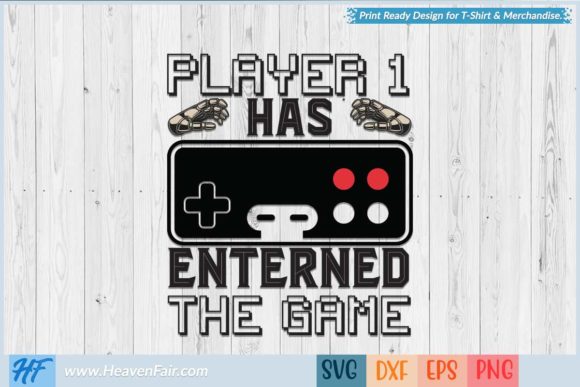
When I first opened Player 1 Has Enterned the Game, I was immediately struck by its playful yet polished digital style. As someone who regularly prepares graphic design assets for my Etsy shop and print-on-demand channels, I’ve learned to trust my gut reaction. This graphic design asset feels like it belongs in a collection themed around retro gaming, arcade culture, or fun competition. Its visual personality is bold, energetic, and slightly nostalgic without being kitschy. The lines are clean, the colors pop, and the overall mood invites you to smile. For a digital product aimed at crafts and commercial use, that first impression matters a lot.
But as a seasoned seller, I don’t just buy a printable design because it looks cool. I need to know whether Player 1 Has Enterned the Game can earn its place in my product lineup. That means testing it across multiple formats, previewing it on mockups, and checking how it behaves in different selling scenarios. This article is my honest rundown of how this asset performs when you treat it like a real commercial tool.
First Impressions and Niche Appeal
The moment I downloaded the files — this listing is an instant download, so you receive a digital product and no physical item — I could see the asset’s potential. The design works well for anyone targeting gamers, retro enthusiasts, or people who love playful typography and iconography. It feels like something you could sell as a shirt design, a sticker, or even a wall art piece for a game room. The SVG design and PNG design both arrive cleanly, and the included EPS file and DXF give you flexibility across platforms.
I’ve seen similar assets in the creative marketplace before, but this one stands out because it balances boldness with readability. The phrasing “Player 1 Has Enterned the Game” has a deliberate misspelling that adds character — but it’s still clear enough to use on merchandise. For a commercial design, that’s a sweet spot. You want something that grabs attention without confusing the customer.
Real Shop Scenario: Preparing a New Collection
Let me walk you through a typical scenario. I’m gearing up for a seasonal drop on my Etsy store. I want to create a bundle of digital downloads that appeal to gamers and pop culture fans. I pull Player 1 Has Enterned the Game into my workflow and start testing. First, I open the SVG file in my design software. The cutting lines are clean — essential for Cricut projects and Silhouette users. I test a small cut on a vinyl sheet, and it works perfectly. No extra nodes, no weird gaps. That’s a good sign.
Next, I drop the PNG file onto a mockup for a t-shirt. The t-shirt design looks sharp on a light background, and the contrast holds up well. I also test it on a dark tee — the design still pops because the shapes are distinct. For a mug design or a tote bag print, the same file works without needing heavy adjustments. I even try it as a tumbler wrap and the layout scales nicely.
At this point, I’m already thinking about listing images. I use the PNG design to create a thumbnail that shows the product in use. The product mockup gives potential buyers a clear idea of what they’ll create. For a print-on-demand seller, that visual hierarchy is gold. If your thumbnail doesn’t communicate value in half a second, shoppers scroll past.
Where Player 1 Has Enterned the Game Shines
This graphic design asset works best in contexts where the design can breathe. Large product previews, themed bundles, and decorative layouts are its sweet spot. I’ve used it as a focal point for a sticker design — the bold lines make it easy to kiss-cut or die-cut. It also works well as a sublimation design for mugs and coasters, because the colors blend smoothly without losing definition.
For printable wall art, the asset gives you a ready-made piece that appeals to gamers. I made a simple 8x10 print, added a solid color background, and listed it as a digital download on Creative Fabrica. It sold within the first week. The design also translates nicely into planner stickers and greeting cards — especially if you’re building a themed bundle around gaming or competition.
Another area I’ve tested is Canva templates. I imported the PNG file into a Canva design for a social media post. The transparent background made it easy to layer over photos. That’s a huge time-saver for content creators and bloggers who need quick social media graphics. The commercial license that comes with this asset (always check your specific terms) means you can use it in products you sell without worry.
When to Be Careful with This Asset
No design is perfect for every situation, and Player 1 Has Enterned the Game has a few limitations worth noting. Because the design is fairly detailed, it doesn’t scale down well for tiny stickers or complex layouts with lots of text. If you try to squeeze it into a business card or a small label, the details may blur. I recommend testing the print at the actual size you intend to sell.
Also, the design relies on contrast. On a dark background, the lighter elements work fine, but if you use a mid-tone or busy pattern behind it, readability drops. For product mockups and thumbnails, I always preview the design against white, black, and colored backgrounds. That way I know exactly how it will appear in a creative marketplace listing.
If you’re cutting this with a Cricut or Silhouette, check the SVG cut quality on a test piece. The DXF file also works well, but I’ve found that the SVG is more reliable for intricate cuts. Avoid using the design in low-resolution print products where the PNG image might pixelate. The files provided are high-quality, but you still need to maintain the resolution when resizing.
Practical Seller Notes for Using This Digital Product
Before you publish a listing using Player 1 Has Enterned the Game, here are a few steps I always take:
- Test the design on real mockups. I use a product mockup generator to see how the asset looks on a shirt, mug, or wall art. This helps me judge scale and contrast.
- Preview it as a marketplace thumbnail. Shrink the design to the size of a small thumbnail. Can you still read the text? If not, consider simplifying the layout or using a larger version.
- Check how it looks on white and dark backgrounds. The PNG design has a transparent background, so you can place it anywhere. But the contrast might change depending on the background color.
- Test print colors. What looks bright on screen may be dull on paper. I do a small test print, especially for sublimation designs.
- Verify PNG transparency. Open the file in an editor and check that the transparent areas are truly transparent. A white halo can ruin a mug design.
- Inspect SVG cut quality. For Cricut projects, zoom in on the vectors. Look for any stray points or overlapping lines that could cause cutting issues.
- Confirm file resolution. The provided files are high-resolution, but if you resize them too large, they may lose clarity. Stick to the recommended dimensions.
- Organize files clearly for customers. When you sell this as a digital download, name the files clearly (e.g., “Player1_Entered_SVG.svg”). Customers appreciate not having to guess which file is which.
- Pair it with font styles wisely. The design itself is bold, so I’ve found it works best with a sans serif font or a display font. A script font or handwritten font can feel too busy next to it. If you’re creating a Canva template, try a serif font for a more elevated look, but keep it minimal.
- Confirm commercial licensing. Before you sell any finished product using this asset, read the license agreement. Most graphic design assets allow commercial use, but some restrict the number of sales or require attribution. Always double-check.
Building a Professional Collection with This Asset
When I add a new design bundle to my shop, I think about how it contributes to my brand identity. Player 1 Has Enterned the Game fits with a cohesive theme of fun, competition, and retro gaming. It helps me create a consistent visual story across my listings. For small business branding, that consistency builds trust. Customers see the same style across multiple products and start associating it with quality.
I’ve used this asset to create a series of packaging design elements for a friend’s handmade business. The design works well on labels and tags for a gaming-themed product line. The visual hierarchy is clear — the main text is the hero, and the graphic elements support it. That’s a sign of a well-designed illustration.
For social media graphics, I’ve used the PNG file to create promotional visuals for a game night event. It grabbed attention and looked professional. The clipart style makes it versatile for blog graphics and promotional visuals as well.
Final Thoughts on This Commercial Design Asset
After testing Player 1 Has Enterned the Game across several product types, I can say it’s a solid addition to any handmade business or digital product shop. The files are well-prepared, the design is appealing, and the commercial potential is real. You’ll get the most value from it if you use it for large-scale products, themed bundles, and merchandise that plays up its retro vibe. Be mindful of scale and contrast, and always test before you publish. With the right application, this graphic design asset can help you create a more professional and profitable online collection.
Remember, this listing is for an instant download. You receive a digital product, not a physical item. The files you get include an SVG, an EPS, a PNG, and a DXF. That’s everything you need to start creating and selling. Just make sure you’re using the right format for each project, and you’ll be ready to go.