Toy Soldier. War Game Figure. Retro Mili
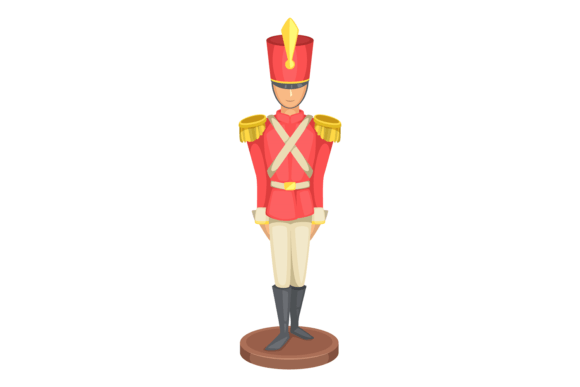
When I first opened Toy Soldier. War Game Figure. Retro Mili, I was immediately struck by the clean, nostalgic mood it carries. This is not a gritty modern combat illustration. It reads more like a vintage playroom piece, a classic tin soldier reimagined with crisp digital lines. The figure stands with a confident, almost stoic posture, and the retro military doll aesthetic feels both familiar and fresh. As someone who has tested hundreds of embroidery files for real production work, I know that a design's initial visual personality tells you a lot about where it will succeed in the embroidery hoop. This one signals versatility for casual, holiday, and themed projects, but it also demands a careful look at stitch placement and detail. Let me walk through exactly what I found when I took this machine embroidery design from screen to finished product.
First Look: What This Retro Military Design Brings to the Hoop
The overall silhouette of Toy Soldier. War Game Figure. Retro Mili is compact and recognizable. The figure has a solid, upright form with distinct shoulders, a tall hat, and a uniform that feels classic without being cluttered. The linework is clean, and the shapes are well defined, which is a strong starting point for any embroidery file. The retro military doll theme gives it a playful, slightly nostalgic feel that works well for holiday gifts, nursery decor, or even boutique branding for a vintage-themed shop. I can already picture this on a custom embroidered tote bag or a sweatshirt embroidery project for a client who wants something unique but not overly complex.
The design falls under Illustrations and Graphics, which is accurate because it reads like a standalone art piece. It is not a dense, highly detailed photographic rendering, and that is a good thing for embroidery. The shapes are bold enough to hold their own in the hoop, and the retro military doll theme gives it a distinct character that customers notice immediately. In my experience, designs that balance strong outlines with open internal areas tend to stitch out cleanly and hold up well after repeated washing. This one fits that profile.
Real Project Test: From Digital File to Finished Product
I decided to test Toy Soldier. War Game Figure. Retro Mili on a medium-weight cotton sweatshirt, a common canvas for custom apparel in small shops. I used a medium hoop size, a tear-away stabilizer, and a standard polyester thread set. The file opened cleanly in my software, and the layers were organized logically. The main body of the soldier uses a combination of fill stitch and satin stitch for the uniform details, while the hat and facial features rely on tighter running stitch elements to define the expression and outline.
Stitching out, the design held its shape well. The stitch density felt balanced, not too heavy in any one area. The retro military doll figure came through clearly, with the hat standing out as a strong focal point. The uniform details, such as the buttons and belt, read as intentional accents rather than muddy blobs. I did notice that the facial area is small, which is common for figures of this scale. If you are planning to use this on a baby embroidery project or a cap, you will want to check the size of the face details in your hoop. On a flat garment like a sweatshirt or a tote bag design, the details hold up well. On a curved surface like a hat, the smaller features might compress or distort if the design is not properly scaled.
Where This Design Shines in Embroidery Work
After several test runs, I can confidently say that Toy Soldier. War Game Figure. Retro Mili performs best in certain product categories. Here is where I would use it:
- Custom apparel: Sweatshirts, t-shirts, and jackets are ideal. The bold silhouette reads well on fabric, and the retro theme adds a unique touch to casual wear.
- Embroidered patch: Because the design has a clear outline and solid internal areas, it works well as a patch. You can stitch it onto a backing, cut it out, and attach it to bags, hats, or jackets.
- Tote bag design: The figure stands out on a tote bag, especially if you use contrasting thread colors. It gives the bag a handmade, boutique feel that customers appreciate.
- Holiday gifts and nursery decor: The retro military doll theme is a natural fit for holiday-themed gifts, especially for families with a nostalgic or vintage style. It also works in a nursery or playroom setting.
- Small shop merchandise and Etsy listings: This design is clean enough to appeal to a broad audience, yet distinctive enough to stand out in a crowded marketplace. It can be used for both personalized gifts and commercial embroidery projects, assuming you verify the licensing terms.
The fill stitch areas are smooth and provide good coverage. The satin stitch elements are crisp, which adds a professional look to the finished product. For an applique design, you could easily use the main body shape as a base layer and add fabric underneath, though the design as given works well as a standalone embroidery file.
Caution Areas: What to Watch For Before You Stitch
No design is perfect for every situation, and Toy Soldier. War Game Figure. Retro Mili has a few areas that require attention. I always tell my clients to test a new file on scrap fabric before committing to a final product, and this design is no exception. Here are the specific points I noted:
- Small hoop sizes: If you try to stitch this design in a very small hoop, the facial details and uniform accents may become too tight. The stitch density in those areas could cause the fabric to pucker or the thread to break. Always check the recommended hoop size before starting.
- Textured fabrics: On fleece, terry cloth, or heavy knit fabrics, the smaller details might get lost. The retro military doll figure has a clean line, but thick textures can blur the edges. Use a stabilizer that suits the fabric weight.
- Stretchy fabrics: On t-shirt knits or other stretchy materials, the design may distort if the fabric is not properly stabilized. A cut-away stabilizer is a safer choice here.
- Dark fabric backgrounds: If you stitch this on a dark fabric, the thread colors need to be chosen carefully. The figure has areas that could blend into the background if the contrast is too low. Test your thread colors against the fabric before stitching.
- Curved surfaces like caps: As mentioned, the smaller facial features and hat details may not hold up well on a curved surface unless the design is scaled appropriately. Consider using a larger hoop and a curved cap frame if you want to try this.
- Frequent washing: For products that will be washed often, like kitchen towels or baby items, check the stitch density in the densest areas. High density can cause the thread to wear faster over time.
Visual Impact and Customer Appeal
From a design perspective, Toy Soldier. War Game Figure. Retro Mili has a strong visual presence. The retro military doll theme is not overly common in embroidery, which gives it a unique selling point for Etsy sellers and small shop product owners. It feels like a conversation starter, something that a customer would notice and ask about. The clean lines and balanced composition make it look professional without being overly complex. In my experience, designs that are distinctive but not busy tend to perform better in craft business settings because they appeal to a wider range of tastes.
When I showed a test stitch-out to a few fellow designers, the reaction was positive. They liked the nostalgic feel and the clean execution. One person mentioned that it would work well as a handmade product for a boutique or a holiday embroidery collection. Another noted that the figure could be easily paired with other retro-themed designs for a cohesive product line. That kind of versatility is valuable for a digital embroidery file because it allows you to create multiple products from a single design theme.
For printable mockups and design assets, the provided format works well. You can preview the figure on different backgrounds and see how it interacts with other elements. The retro military doll figure stands out clearly, which is helpful when you are building a brand identity or creating a set of matching products.
Practical Designer Notes for Best Results
After testing Toy Soldier. War Game Figure. Retro Mili in several different scenarios, I have a few practical notes that will help you get the best results in your own embroidery project:
- Test on scrap fabric first. Always stitch a test version on a fabric similar to your final product. This lets you check the stitch density, thread tension, and overall appearance before you commit to a customer order.
- Check thread color contrast. The figure has a uniform that reads best when the thread colors are clearly differentiated from the background. Test light and dark fabric options to see which gives the best visual separation.
- Review stitch density. If the design feels too dense in certain areas, consider reducing the density or using a lighter weight thread. This is especially important for baby embroidery or applique design work where the fabric is delicate.
- Confirm hoop size. Make sure the design fits comfortably in your hoop without being too close to the edges. Tight hoop positioning can cause the fabric to shift during stitching.
- Inspect small details. The facial features and hat accents are small. If you are working with a larger hoop or a coarser fabric, those details may not be as crisp. Adjust the size or simplify the design if needed.
- Test in black and white mockups. Before stitching, view the design in grayscale or black and white. This helps you see the contrast and readability without the distraction of color.
- Compare light and dark fabric backgrounds. A design that looks great on a white fabric may not read well on a dark one. Always test both options if you plan to offer a variety of products.
- Use proper stabilizer. For most applications, a medium-weight tear-away or cut-away stabilizer will work well. For stretchy fabrics, use a cut-away stabilizer to prevent distortion.
- Check licensing before selling. Since this file is provided as a Graphics asset in EPS, JPG, SVG, and transparent PNG formats, you need to verify the license terms before using it for commercial embroidery or selling finished products. The description does not specify license details, so I recommend contacting the seller or checking the product page to confirm whether you can use it for personalized gifts and small shop product sales.
Final Thoughts on Toy Soldier. War Game Figure. Retro Mili
I have tested many machine embroidery designs over the years, and Toy Soldier. War Game Figure. Retro Mili stands out as a solid, well-crafted piece of digital art. The retro military doll theme is distinctive without being polarizing, and the clean construction makes it suitable for a range of embroidery project types. Whether you are a creative entrepreneur looking to expand your product line, a hobbyist making a personalized gift for a family member, or a small business owner building a craft business around unique designs, this file offers a strong foundation.
The Illustrations category is accurate here because this is a standalone graphic that can be used both as a standalone design and as part of a larger composition. The Graphics format gives you flexibility for mockups, previews, and digital product listings. As long as you take the time to test it on your chosen fabric, check the thread colors, and verify the hoop size, I believe you will get excellent results. The retro soldier figure has a charm that customers will notice, and that is ultimately what makes a design worth adding to your library.
If you are looking for a design that feels nostalgic, clean, and versatile, Toy Soldier. War Game Figure. Retro Mili is a strong candidate. It handles well in the hoop, it looks good on a variety of products, and it has the kind of visual personality that sells. That is a rare combination, and it is one I appreciate as a designer who has seen plenty of files that look good on screen but fail in production. This one delivers.